

Truth About Mouthwash
Mouthwash is a liquid substance used to rinse and freshen the mouth. It is sometimes referred to as oral rinse. However, not everyone needs mouthwash, despite the fact that it may be useful in some circumstances.
The ability of mouthwash to aid in the eradication of bacteria that cause cavities and foul breath is one of its main advantages. The amount of germs in the mouth can be reduced by mouthwashes that contain antimicrobial ingredients like alcohol, chlorhexidine, or cetylpyridinium chloride, which are common ingredients. For those who frequently have poor breath or who are more likely to get cavities, this can be extremely helpful.
Additionally, mouthwash can help to lessen gum inflammation and improve general oral health. Fluoride, which helps fortify tooth enamel and help prevent tooth decay, is an ingredient in certain mouthwashes. Additionally, some mouthwashes contain essential oils with built-in antibacterial properties, like tea tree oil.
It's crucial to remember that mouthwash is not a replacement for consistent brushing and flossing. Mouthwash should not be used as a substitute for routine oral hygiene procedures, despite the fact that it can be effective in lowering germs and promoting oral health.
Types of mouthwash available
There are several types of mouthwash available, each with different purposes and ingredients. Here are some of the most common types of mouthwash:
- Mouthwash with antiseptic properties: This kind of mouthwash has substances that can kill oral bacteria and lessen foul breath, such as alcohol, chlorhexidine, or cetylpyridinium chloride. For those who have gingivitis or other types of gum disease, it is frequently advised.
- Mouthwash containing fluoride: Fluoride is a mineral that can fortify tooth enamel and help prevent cavities. For those who are more likely to get cavities, fluoride mouthwash can be especially beneficial.
- Natural mouthwash: Natural mouthwashes contain components with built-in antibacterial qualities, such tea tree oil, peppermint oil, or aloe vera. They might make sense for those who favour natural products.
- Hydrogen peroxide is one of the chemicals in whitening mouthwash, which can assist to eliminate surface stains from teeth and make your smile more vibrant.
- Mouthwash for dry mouth: Mouthwash for dry mouth contains chemicals like glycerin or xylitol that can help moisten the mouth and lessen dryness. People who experience dry mouth as a side effect of medication or other medical conditions are frequently advised to try it.
It's crucial to pick a mouthwash that is suitable for your individual requirements and to use it as instructed on the label. Speak with your dentist or healthcare professional if you have any questions or concerns regarding the best mouthwash to use.
What can mouthwash be used for?
Mouthwash can be used for a variety of things, such as:
Freshening breath: Mouthwash can help cover up bad breath and give you a clean, fresh feeling in your mouth.
Getting rid of bacteria: A lot of mouthwashes have antibacterial ingredients that can get rid of the germs that lead to foul breath, plaque accumulation, and gum disease.
Reducing plaque and gingivitis: When used as a part of a good oral hygiene practise, mouthwash can assist to minimise plaque buildup and prevent gingivitis (gum inflammation).
enhancing general oral health: Fluoride, which can help to fortify tooth enamel and prevent cavities, is found in some mouthwashes. Other mouthwashes have organic antibacterial components that can help maintain good oral health.
Relief from dry mouth: Mouthwash made specifically for dry mouth can assist in hydrating the mouth and reducing dryness. It's important to note that mouthwash should not be used as a substitute for regular brushing and flossing, and it is not necessary for everyone. However, for people who have chronic bad breath, are at a higher risk of developing cavities, or have certain oral health conditions, mouthwash can be a helpful addition to their oral hygiene routine.
FAQ
Is mouthwash killing good bacteria?
In addition to keeping a healthy balance of oral bacteria, it's critical to prevent the development of dangerous germs that can lead to dental issues. Mouthwash can be a useful tool for limiting dangerous microorganisms and preserving good oral health when used as instructed.
Is it safe to use mouthwash everyday?
Is it OK to use mouthwash instead of brushing?
The most efficient approach to eliminate plaque and food particles from your teeth and gums, as well as to avoid cavities and gum disease, is to brush your teeth twice a day for two minutes each time. While mouthwash can kill bacteria and help you breathe better, it cannot remove plaque or clean your teeth or gums.
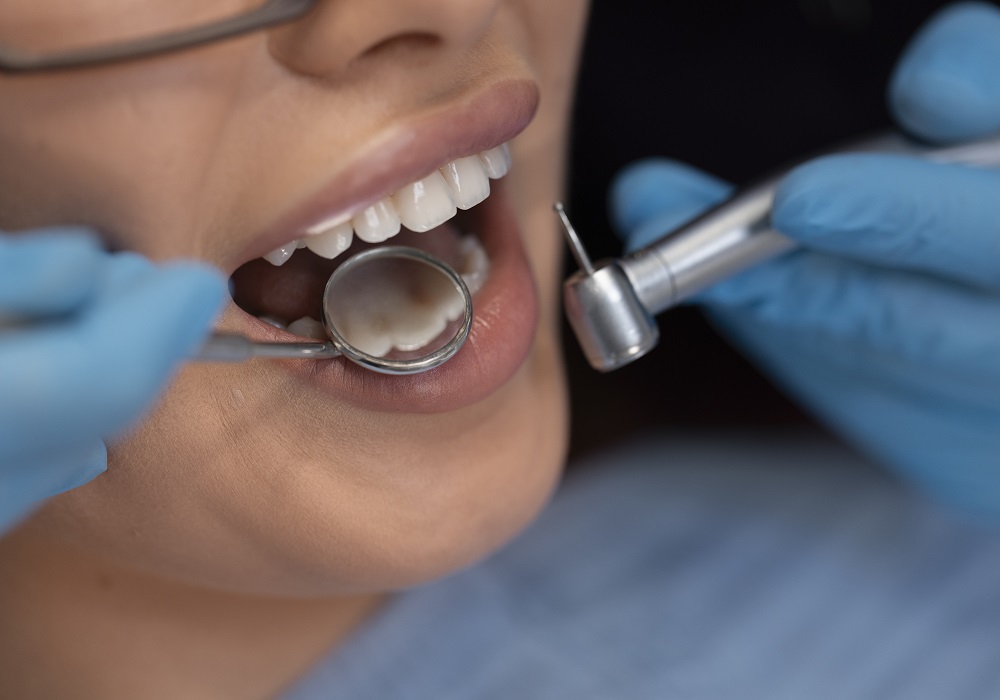 Dental Checkup Services
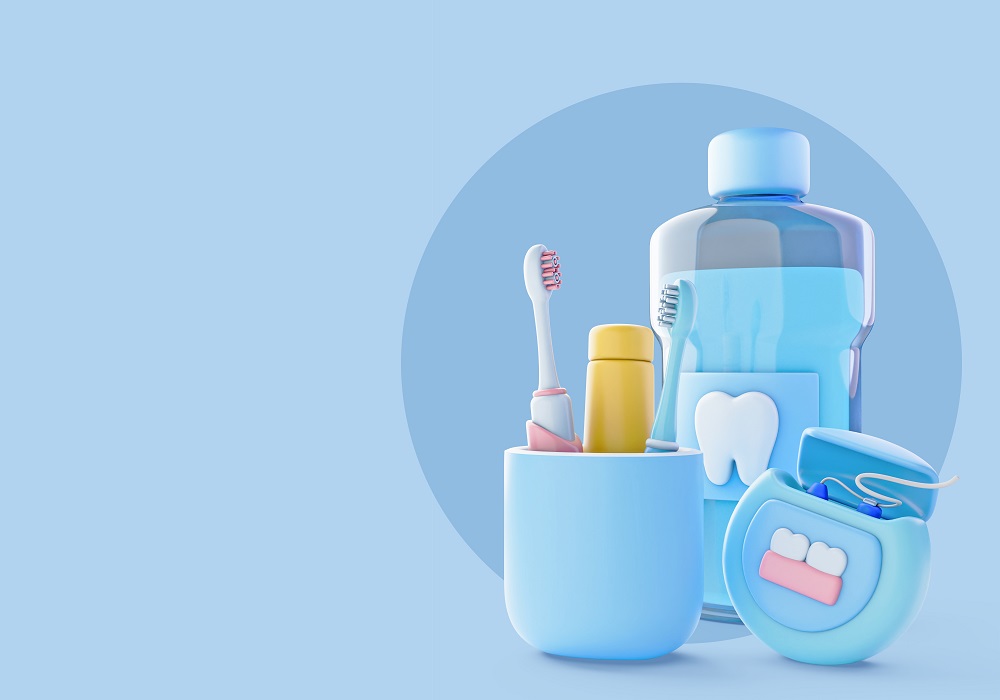 Our range of products
 Oral Care Blogs
Recent Comments